

Breweries face a distinct set of leadership challenges driven by the technical complexity of brewing operations, seasonal demand cycles, and an increasingly competitive craft and commercial beer market. When key executive positions become vacant or new strategic initiatives require experienced leadership, the timeline for a traditional executive search often exceeds what the business can afford. Interim executive placement provides breweries with immediate access to seasoned leaders who bring brewing industry expertise and a track record of operational results.
Understanding how interim executive placement works in the brewing sector helps brewery owners and boards make informed decisions about leadership continuity and strategic talent deployment.
Brewing Expertise and Executive Leadership
The brewing industry demands leaders who combine business acumen with deep technical knowledge of the brewing process. Interim executive placement connects breweries with professionals who possess both capabilities.
Brewmaster and Technical Director Roles
Interim placements at the brewmaster or technical director level require candidates with extensive experience in recipe development, fermentation science, yeast management, and raw material selection. These leaders understand how decisions at the ingredient and process level affect flavor consistency, production yield, and brand identity. Brewery interim executives in technical roles bring the expertise needed to maintain product quality during leadership transitions or periods of rapid growth.
Effective interim technical leaders also evaluate existing brewing processes and identify opportunities for improvement, often delivering operational gains that extend well beyond their engagement period.
Operations and General Management
Brewery operations encompass production scheduling, packaging, warehousing, distribution, and facilities management. Interim executives placed in general management or VP of operations roles bring experience managing these interconnected functions. Their expertise includes optimizing production throughput, reducing waste, and aligning operational capacity with sales forecasts. For breweries navigating expansion, whether adding capacity at an existing facility or opening a new location, interim operations leaders provide the execution discipline needed to stay on schedule and within budget.
Chief Financial Officer and Commercial Leadership
Financial and commercial leadership gaps can be particularly disruptive for breweries operating in competitive markets. Interim CFOs bring expertise in brewery-specific financial management, including excise tax compliance, cost-of-goods analysis for multi-SKU portfolios, and capital expenditure planning for brewing equipment. Interim commercial leaders contribute experience in distributor management, taproom strategy, and brand portfolio development across on-premise and off-premise channels.
Production Management Through Interim Leadership
Production management is the operational heart of any brewery, and leadership gaps in this area can quickly affect output quality and volume.
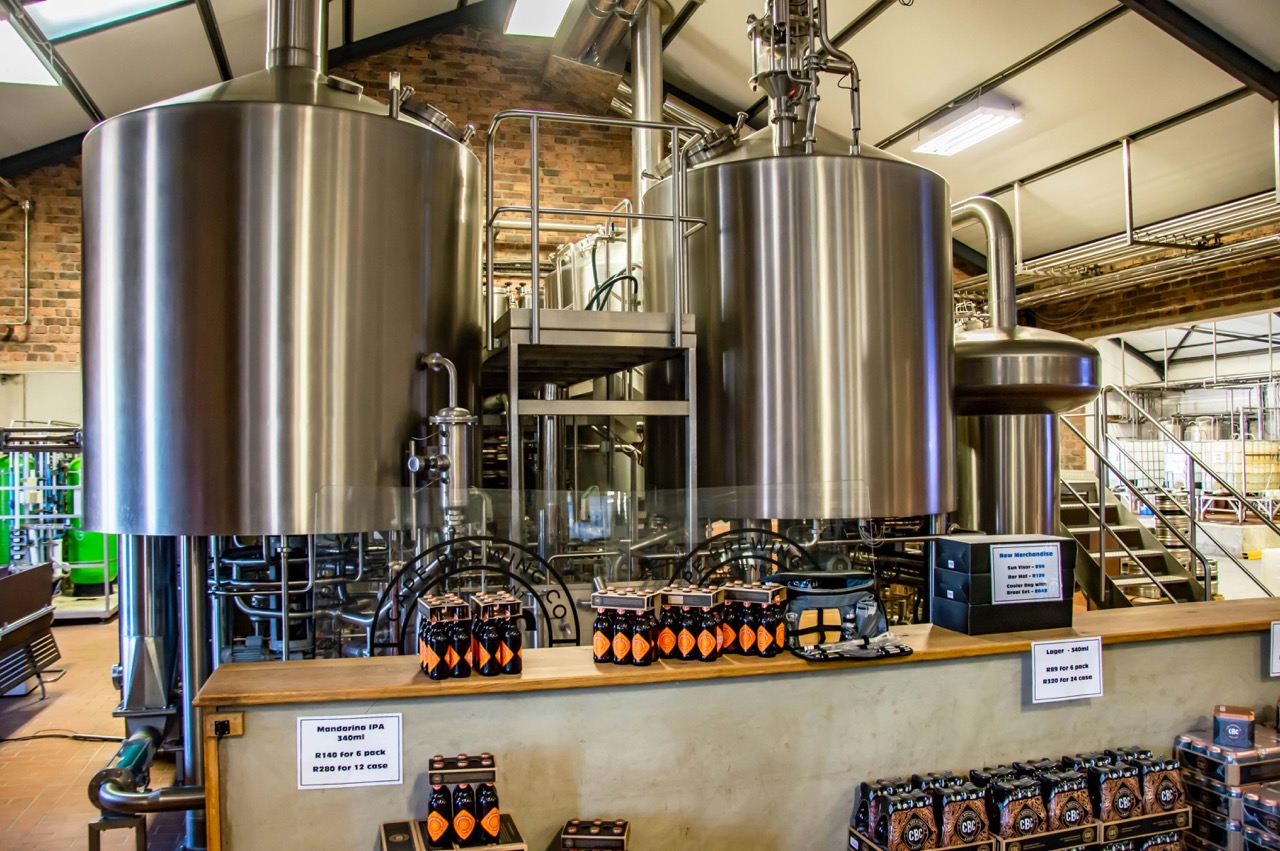
Production Planning and Scheduling Optimization
Interim production leaders implement structured planning systems that balance brewing capacity with demand forecasts. This includes managing tank scheduling, coordinating raw material procurement with brew cycles, and aligning packaging runs with distribution commitments. Brewery interim executives with production management backgrounds bring proven frameworks for maximizing asset utilization while maintaining the flexibility to respond to market opportunities.
Equipment Commissioning and Maintenance Strategy
Breweries investing in new equipment or upgrading existing systems benefit from interim leaders who have managed similar capital projects. These professionals understand the commissioning process for brewing vessels, filtration systems, packaging lines, and quality control instrumentation. Their experience reduces the risk of extended downtime during installations and ensures that maintenance programs are established to protect the investment long-term.
Workforce Development and Training Programs
Interim production executives frequently identify opportunities to strengthen workforce capabilities. This includes developing standard operating procedures, implementing brewing and packaging training programs, and establishing performance metrics that align team behavior with quality and efficiency targets. The knowledge transfer that occurs during these engagements builds organizational capacity that persists after the interim leader’s assignment concludes.
Quality Leadership and Standards Management
Quality management in brewing requires both technical depth and systematic rigor. Interim executive placement addresses quality leadership needs across several critical dimensions.
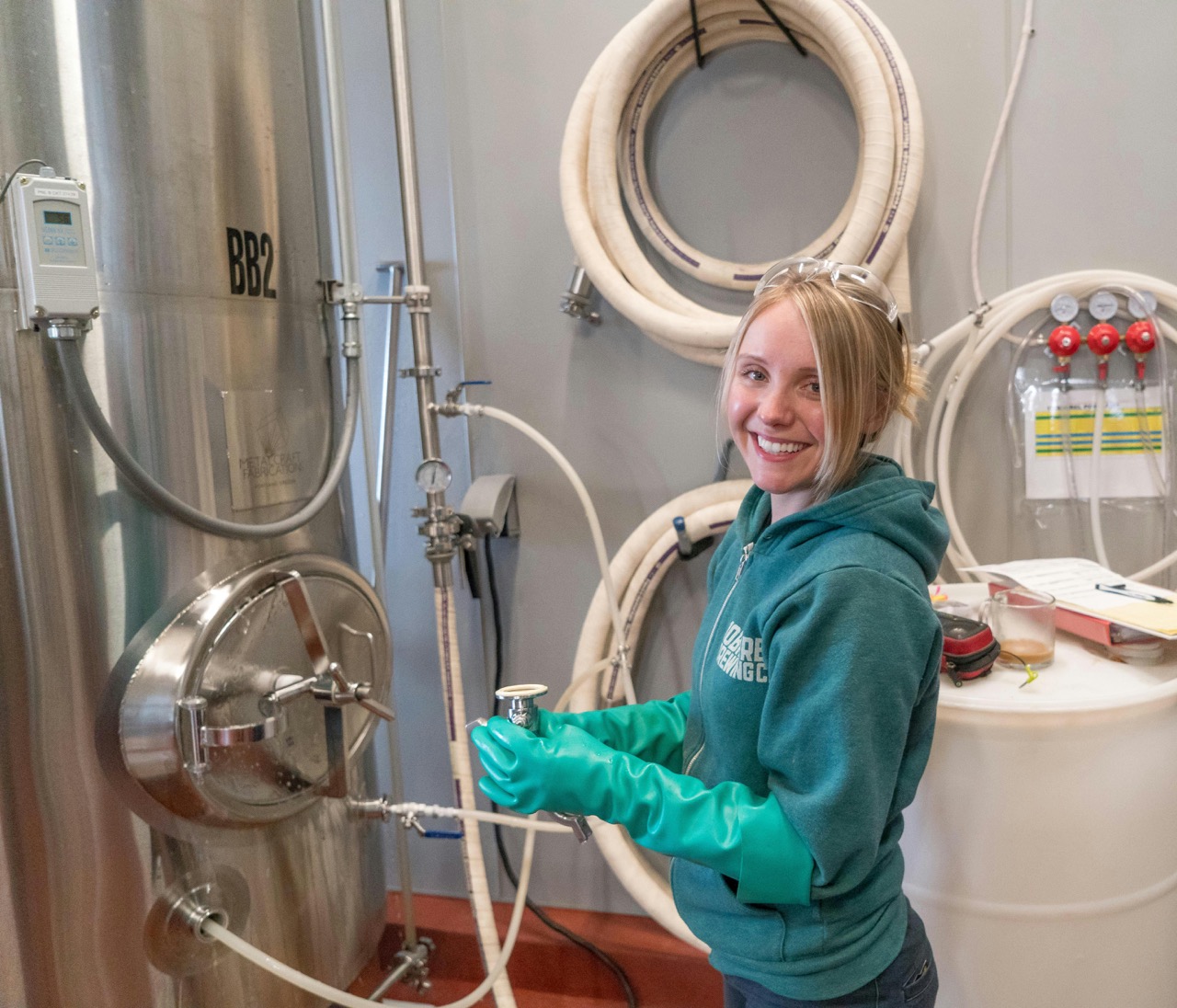
Quality Assurance Program Development
Interim quality leaders design and implement quality assurance programs tailored to a brewery’s specific products and production methods. This expertise includes establishing sensory evaluation panels, developing raw material specifications, and creating finished product release criteria. For breweries without a formal QA infrastructure, interim executives build the foundation that supports consistent product quality at scale.
Laboratory Operations and Analytical Capabilities
Brewing quality depends on accurate and timely laboratory analysis. Interim leaders in quality roles evaluate existing laboratory capabilities, recommend equipment investments, and develop testing protocols for critical parameters including dissolved oxygen, microbiological contamination, and flavor stability. Their experience helps breweries establish or upgrade analytical capabilities without the delay of a lengthy executive search.
Regulatory Compliance and Certification
Breweries must comply with federal and state regulations governing alcohol production, labeling, and distribution. Interim quality executives bring experience navigating TTB requirements, state-specific compliance obligations, and voluntary certification programs. This expertise is particularly valuable for breweries expanding into new states or launching products in new categories, where regulatory requirements may differ significantly from existing operations.
Strategic Applications of Interim Executive Placement
Beyond addressing immediate leadership gaps, interim executive placement serves several strategic purposes for breweries at different stages of growth and development.
Turnaround and Performance Improvement
Breweries experiencing declining performance, whether driven by quality issues, operational inefficiency, or market challenges, benefit from interim executives who specialize in turnaround situations. These leaders conduct rapid operational assessments, prioritize improvement initiatives, and implement changes with the urgency the situation demands. Their external perspective and lack of legacy relationships allow them to make difficult decisions more effectively than internal candidates.
Mergers, Acquisitions, and Integration
The brewery sector continues to see consolidation activity across craft, regional, and national segments. Interim executives play a critical role during acquisitions, managing integration of operations, cultures, and systems. Their experience with post-merger integration in brewing environments ensures that production continuity and brand identity are protected during the transition.
Succession Planning and Leadership Development
Interim executive placement also supports long-term succession planning. By bringing in an experienced interim leader, brewery ownership gains time to conduct a thorough permanent search while maintaining operational stability. Additionally, interim executives often mentor internal talent, accelerating the development of future leaders and strengthening the organization’s leadership pipeline.
Selecting the Right Interim Executive Partner for Breweries
The effectiveness of interim executive placement depends heavily on the recruiting partner’s understanding of the brewing industry and their access to qualified candidates.
Industry-Specific Talent Networks
Recruiting firms specializing in interim staffing for the beer industry maintain relationships with executives across brewing operations, quality, commercial, and finance functions. This network depth enables rapid identification of candidates whose experience aligns with a brewery’s specific needs, whether that involves craft brewing expertise, large-scale production management, or multi-location operations leadership.
Engagement Structure and Flexibility
Effective interim executive placement offers flexibility in engagement duration and scope. Assignments may range from three months to cover a critical transition period to twelve months or longer for complex strategic initiatives. The best partnerships allow breweries to adjust the scope of an interim engagement as circumstances evolve, ensuring that leadership support remains aligned with business needs.
Breweries exploring interim staffing benefits for beer companies or considering how contract recruitment supports food and beverage operations can find additional perspectives on building flexible leadership strategies. Interim executive placement provides breweries with a proven approach to maintaining operational excellence, protecting product quality, and executing strategic initiatives regardless of the leadership challenges they face.
